
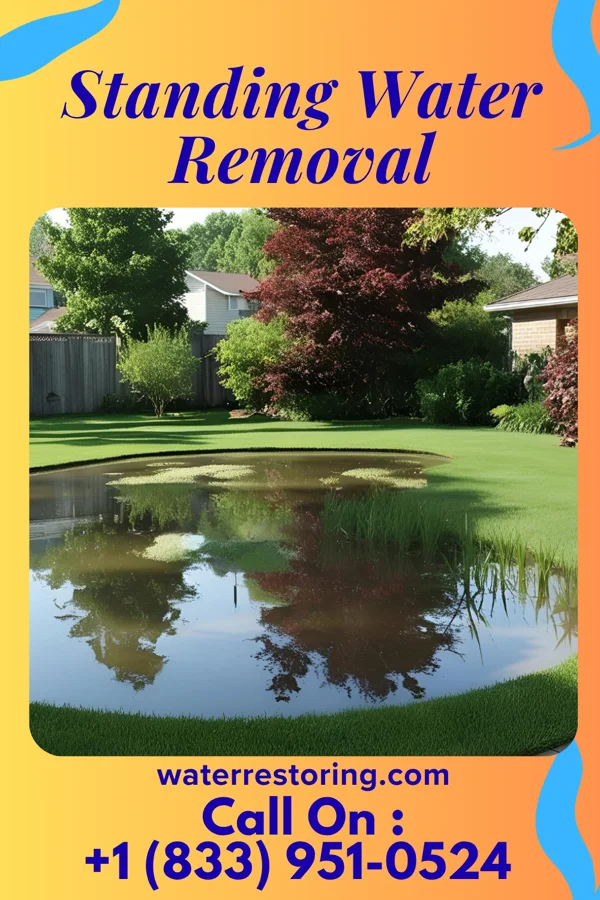
Common Standing Water Causes in Deering
Most standing water removal calls in Deering come from In Deering, Alaska, the primary water damage cause is often due to sudden flooding from melting snowmelt or thawing permafrost, especially during late spring and early summer. Additionally, heavy rainfall events can overwhelm local drainage systems, leading to water intrusion in homes and commercial buildings.. A close second is Secondary causes include leaking plumbing systems in older homes, burst pipes during extreme cold, and water damage from malfunctioning appliances such as washing machines and dishwashers. In rural areas, poorly maintained septic systems can also contribute to water issues.. If you know what is about to happen, the decisions during the first 48 hours get a lot easier.
Deering's subarctic climate means that water damage can occur year-round, but the risk is highest during thaw periods when frozen ground becomes saturated. The region's long, cold winters also increase the likelihood of frozen pipes and burst water lines.
Most standing water removal calls in Deering come from In Deering, Alaska, the primary water damage cause is often due to sudden flooding from melting snowmelt or thawing permafrost, especially during late spring and early summer. Additionally, heavy rainfall events can overwhelm local drainage systems, leading to water intrusion in homes and commercial buildings.. Running a close second is Secondary causes include leaking plumbing systems in older homes, burst pipes during extreme cold, and water damage from malfunctioning appliances such as washing machines and dishwashers. In rural areas, poorly maintained septic systems can also contribute to water issues.. Local mold risk: Mold growth in Deering can develop quickly due to high humidity and temperature fluctuations, making prompt water damage response critical. Mold can spread rapidly in poorly ventilated homes, especially in older structures with limited insulation.
For public guidance on the health effects of mold after prolonged water exposure, see the EPA mold and health page.